Blog
Cycling in the UAE Heat: A Rider’s Survival Guide

The sun is barely over the horizon, the roads are quiet, and the air is already warm against your arms. This is summer cycling in the UAE – and done right, it’s still some of the most rewarding riding you’ll do all year. Done wrong, it’s the fastest way to cut a season short. The difference isn’t fitness or willpower. It’s understanding what the heat actually does to your body, and planning around it.
We’ve spent years riding through Gulf summers and kitting out the riders who come through our Dubai showroom. Here’s everything that keeps us rolling safely from June to September.
Why UAE Heat Is a Different Kind of Challenge
Your body cools itself in one main way: sweat evaporating off your skin. In a dry climate that works beautifully. But on a humid Gulf morning near the coast, the air is already so saturated that sweat can’t evaporate efficiently – it just drips. You lose the fluid without getting the cooling benefit, and your core temperature keeps climbing.
That’s why a 38°C day in Dubai can feel more punishing than a hotter, drier day elsewhere. In peak summer, a working cyclist can lose well over a litre of sweat an hour, along with a serious amount of sodium. Manage that loss and you’ll ride strong. Ignore it and performance falls off a cliff – long before anything feels dangerous.
Time Your Ride Around the Sun
Timing is the single most important decision you’ll make all summer. The hour just after sunrise is the coolest, calmest and safest window of the day – aim to be back before 7:30 or 8:00 AM. Evenings are rideable, but the ground and buildings radiate stored heat long after dark, so it never cools down the way dawn does. If you do ride in the evening, use a lit track: Al Wathba in Abu Dhabi is illuminated, and Nad Al Sheba is lit for riding after dark.
From roughly 10 AM to 4 PM in July and August, outdoor riding simply isn’t worth the risk. Check the forecast the night before – the UAE National Center of Meteorology publishes temperature and humidity data that tells you exactly what you’re walking into.
Master Your Hydration Before You’re Thirsty
Thirst is a lagging signal. By the time you feel it, you’re already dehydrated and your power is already dropping. The fix is to drink on a schedule, not on feel: roughly one large bottle every 45 to 60 minutes, and start the ride already topped up rather than playing catch-up.
Because you’re losing salt as well as water, plain water isn’t enough on longer rides. Add an electrolyte mix with real sodium content for anything over an hour – it’s what lets your body actually hold on to the fluid you’re drinking.
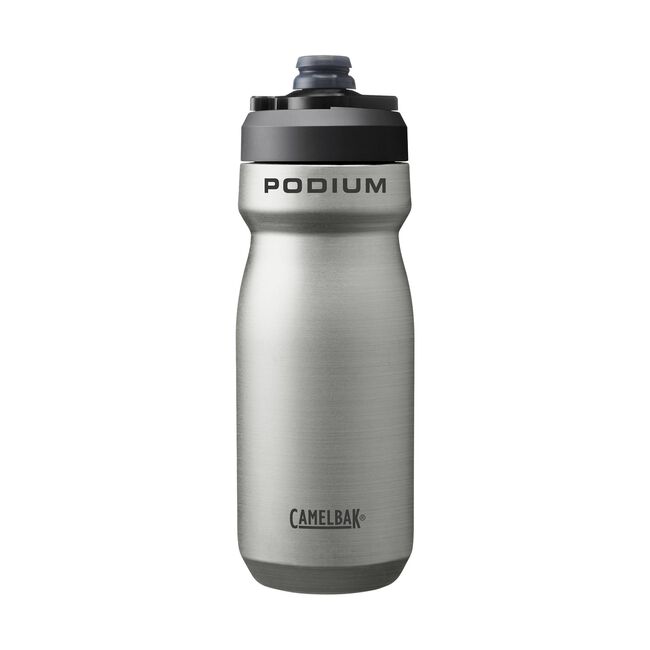
Kit matters here too. A standard bottle turns bath-warm within twenty minutes of a summer sunrise, and warm water is hard to drink in the volumes you need. An insulated bottle solves it – we stock the full CamelBak range, including the Podium insulated bottles and hydration packs for longer efforts. A trick our team swears by: freeze a half-full bottle overnight, top it with water before you leave, and you’ll have cold water an hour into the ride.
Dress to Beat the Sun, Not Just the Heat
It’s tempting to wear as little as possible, but bare skin under the Gulf sun burns quickly and does nothing to cool you. Light-coloured, breathable jersey fabric with built-in sun protection is far better – it wicks sweat, reflects heat, and shields your skin at the same time. It’s worth browsing proper cycling apparel rather than riding in a cotton tee that traps sweat.
Good cycling sunglasses aren’t a luxury either – they cut glare, block UV, and keep dust out of your eyes on exposed roads. And a well-ventilated helmet is non-negotiable: beyond the obvious safety case, the airflow genuinely helps keep your head cooler. Finish with sweat-resistant sunscreen on anything still exposed.
Give Your Body Time to Adapt
Here’s the part most riders skip. Your body can physically adapt to heat – a process called acclimatisation – but it takes time. Over roughly ten to fourteen days of consistent riding in the warmth, you start sweating earlier and more efficiently, and your heart rate at a given effort drops. The mistake is going too hard, too soon after a break or a trip abroad. Ease back into summer volume for the first couple of weeks and let your physiology catch up.
The Right Bike Makes Summer Easier
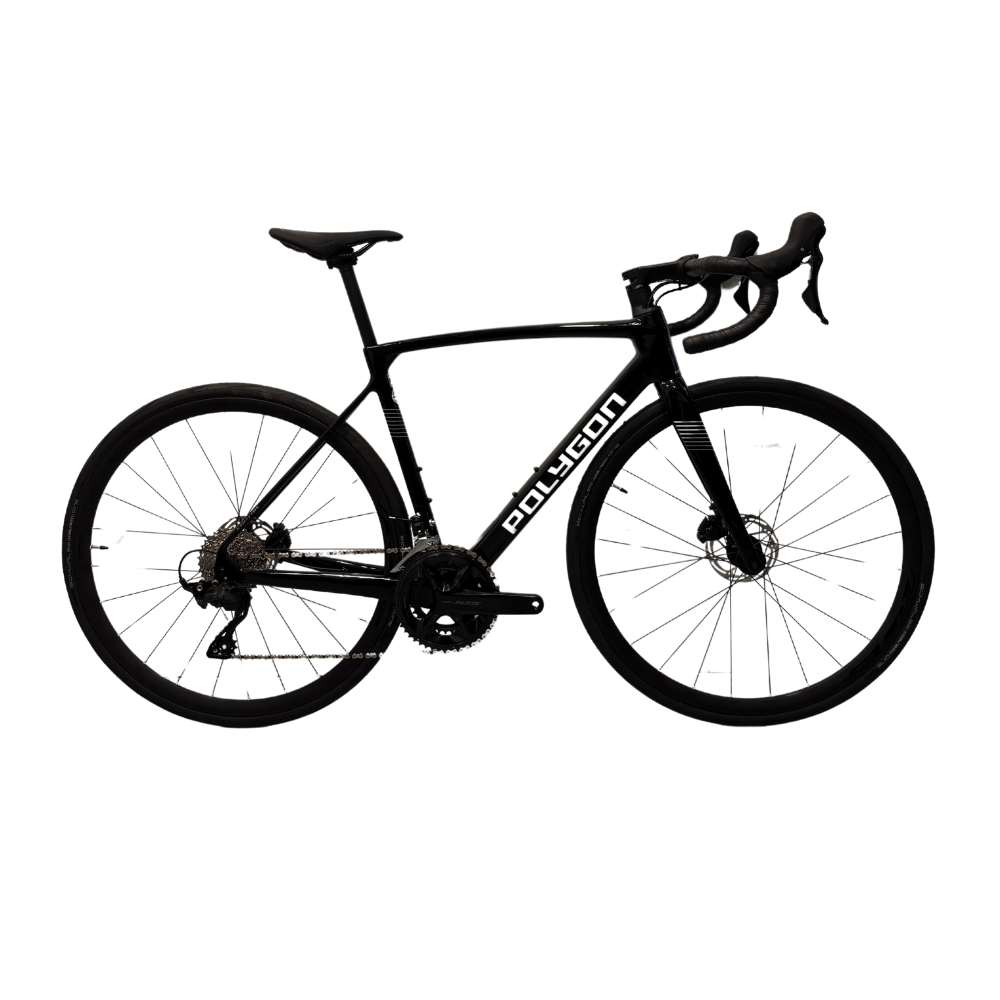
When your riding window shrinks to a cool hour at dawn, efficiency counts. A smooth, fast road bike lets you cover real distance on the UAE’s excellent tarmac and dedicated cycle tracks before the heat builds. If you’re weighing up your next bike, our guides on carbon vs. aluminium frames and using your gears are a good place to start.
Riding With Kids in the Heat
Children heat up faster than adults, have less efficient sweat responses, and often won’t tell you when they’re struggling – so the margin for error is smaller. Keep family rides short in summer, twenty to thirty minutes at most, stick to shaded parks and the early morning, and carry more water than you think you’ll need. Watch for flushed cheeks, unusual quietness or grumpiness, and stop at the first sign. A properly sized, easy-to-pedal bike keeps them comfortable and confident – browse our kids’ bikes, and keep an eye out for our upcoming size guide.
Recognise Heat Illness Before It Gets Serious
This is the section worth reading twice. Heat exhaustion creeps in as dizziness, nausea, a headache, muscle cramps, or – counter-intuitively – chills and goosebumps in the heat. The warning sign that matters most is when you suddenly stop sweating despite the temperature. That can signal heat stroke, which is a medical emergency.
If any of these appear, stop immediately, get into shade, cool down and hydrate – do not try to push through to finish the ride. It’s worth knowing the full signs of heat-related illness before the season starts, especially if you ride alone.
Ego has ended more summer rides than heat ever has. Turning back early is a skill, not a failure.
Don’t Forget Your Bike
The heat is hard on your equipment too. Tyre pressures rise as air expands, chain lube thins and flings off faster, and sweat is surprisingly corrosive to components over a season. A quick once-over before every ride catches most problems – our 15-minute pre-ride check walks you through exactly what to look at. If it’s been a while, our Dubai workshop can give your bike a full summer service.
Ride Smart, Ride All Summer
Summer cycling in the UAE rewards preparation over toughness. Get out at dawn, drink ahead of your thirst, dress for the sun, let your body adapt, and listen to the early warning signs – and there’s no reason to lose three months of riding to the heat. The best motivation of all is company, so if you’d rather not chase sunrises alone, come and ride with the Bikeera community.
Gear up for summer at Bikeera – hydration, apparel, sunglasses and the right bike, all in one place. Free UAE delivery on orders over AED 150, pay in instalments with Tabby, or visit our Umm Suqeim St showroom in Dubai. Shop bikes & gear »
Frequently Asked Questions
Is it safe to cycle outdoors in UAE summer?
Yes – if you ride in the cool early-morning window (finishing by around 8 AM), hydrate ahead of thirst, wear sun protection, and avoid the 10 AM to 4 PM peak. Midday outdoor riding in July and August should be avoided.
What’s the best time to cycle in Dubai in summer?
The hour just after sunrise is the coolest and safest. Evenings are rideable but hotter, as the ground releases stored heat well after dark.
How much water should I carry?
Plan for roughly one large bottle every 45 to 60 minutes, with an electrolyte mix for rides over an hour. Start hydrated, and use an insulated bottle to keep water drinkable.
Can children cycle in the UAE summer?
Yes, with care. Keep rides short, stick to shade and early mornings, bring extra water, and watch closely for signs of overheating, as children heat up faster than adults.